
Silence / Together
The isolation that opens the trilogy finds an answer in a belonging that makes room for every voice.
The story
An awakening of conscience. A reckoning with division. A choice to begin again. The Dissent Theory trilogy follows the human questions inside that journey.
It begins with isolation: a voice trying to reach someone beyond the noise. What follows is a search for truth, the struggle to keep our humanity through conflict, and the responsibility that comes with freedom.
Begin with Silence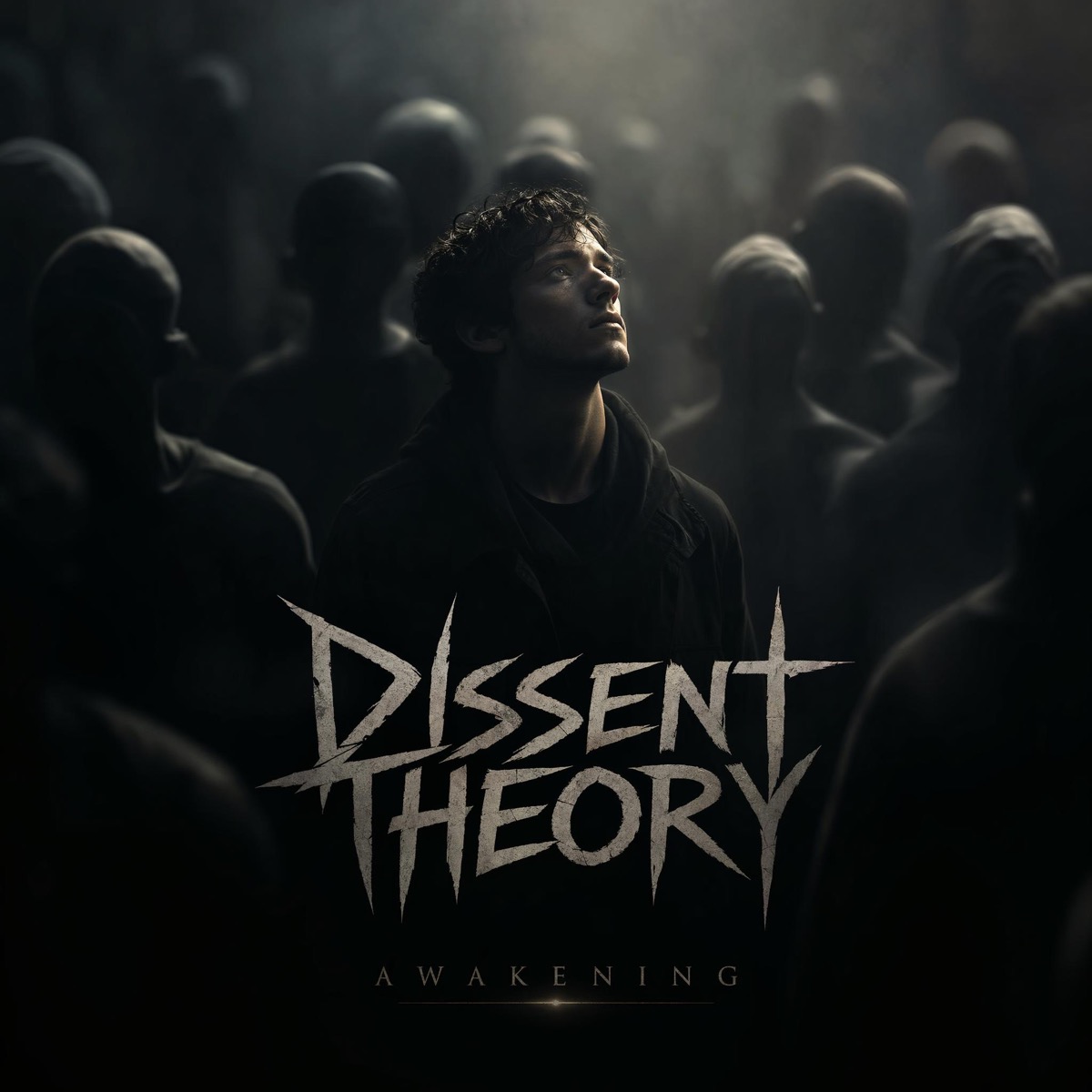
Chapter I
The first step toward freedom is finding your own voice.
The journey begins with a voice trying to be heard. Unease grows into awareness, and the narrator starts to recognize the divisions surrounding him. But recognition brings doubt, too: a new answer could become another cage. Awakening ends with reclaimed thought and conscience, even as the questions remain.
Explore the albumA voice reaches through the noise, asking whether anyone is still listening. Dark symphonic textures and mounting rock intensity surround a deeply personal struggle to hold on to identity and expression. “Silence” opens the album with loneliness, frustration, and the first refusal to disappear.
Before change has a name, it can begin as a feeling that will not leave. “Stirring” gives that unease a gathering pulse, building from quiet suspicion into an awakening that can no longer be ignored. It captures the moment when numbness starts giving way to awareness.
“Divided” examines the lines that turn neighbors into opponents and differences into reasons for distrust. A weighty blend of orchestra, guitars, and choral scale carries its questions about fear, belief, and the information we consume. Beneath its anger is a longing for connection across those lines.
What can you trust when even the answers might be shaping you? “Reality” moves through revelation and uncertainty, using sweeping symphonic rock to explore the unsettling distance between perception and truth. Its searching voice questions the narrator’s own understanding as deeply as the world around him.
“Unchained” closes the album with a forceful reclamation of thought, conscience, and identity. Driving guitars, drums, and orchestral movement give its declarations a sense of release. After the doubt and isolation of the preceding songs, the voice at its center is ready to speak on its own terms.
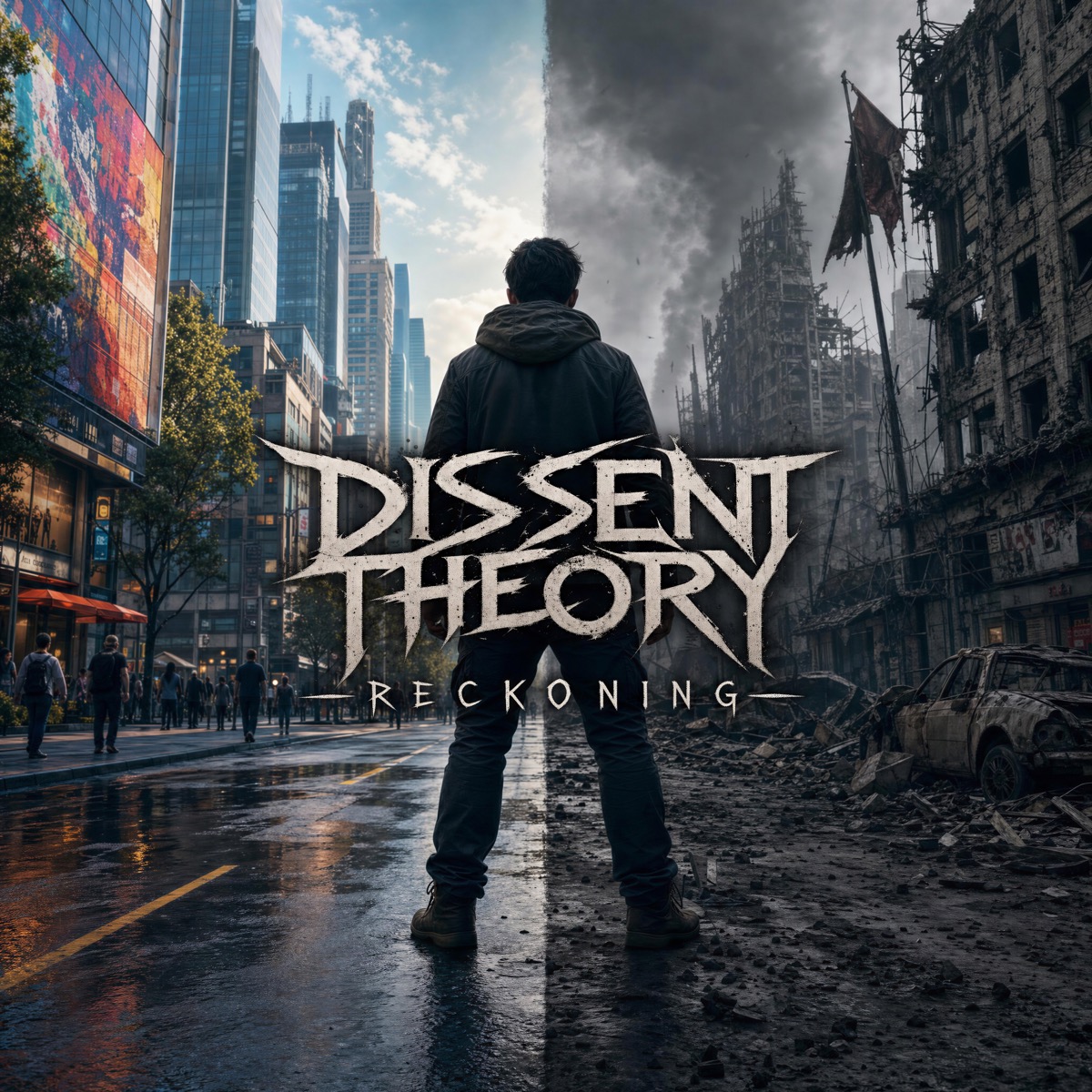
Chapter II
What do we lose when we stop seeing one another?
Crossroads asks whether we can step back before division destroys shared life. What follows is reluctant resistance, grief, and freedom marked by sacrifice. Awaken turns the story toward the listener: prevent this destruction, protect the right to disagree, and refuse to lose sight of one another’s humanity.
Explore the albumAt the edge of a breaking point, “Crossroads” asks whether our differences are worth everything we could lose. Foreboding orchestration and a growing, insistent vocal give weight to its appeal for open hands and a change of direction. There is still time to step back.
“Stand” gives voice to someone who tried to prevent the conflict and now feels compelled to defend what cannot be surrendered. Driving drums and prominent guitars carry its defiance, while the lyrics retain the hurt beneath it. Every declaration bears the weight of a stand the narrator never wanted to take.
“Fallout” walks through the human cost of turning differences into enemies. Mournful orchestration, spacious passages, and crushing climaxes hold grief, disbelief, and unanswered questions together. At the center of the album, it asks listeners to face what remains when the arguments have become irreversible losses.
Freedom arrives carrying the memory of everyone it cost. “Triumph” opens into expansive orchestral rock and collective release, while its narrator refuses to forget the wounds beneath the victory. Its deepest hope lies in former opponents recognizing one another again - and finding a way to heal beyond the divisions.
“Awaken” turns the album’s story into a direct appeal: do not let this happen. Reflective passages grow into an urgent call to recognize the person behind the label, protect the right to disagree, and reject violence as an answer. It leaves the listener with a choice that can still be made.
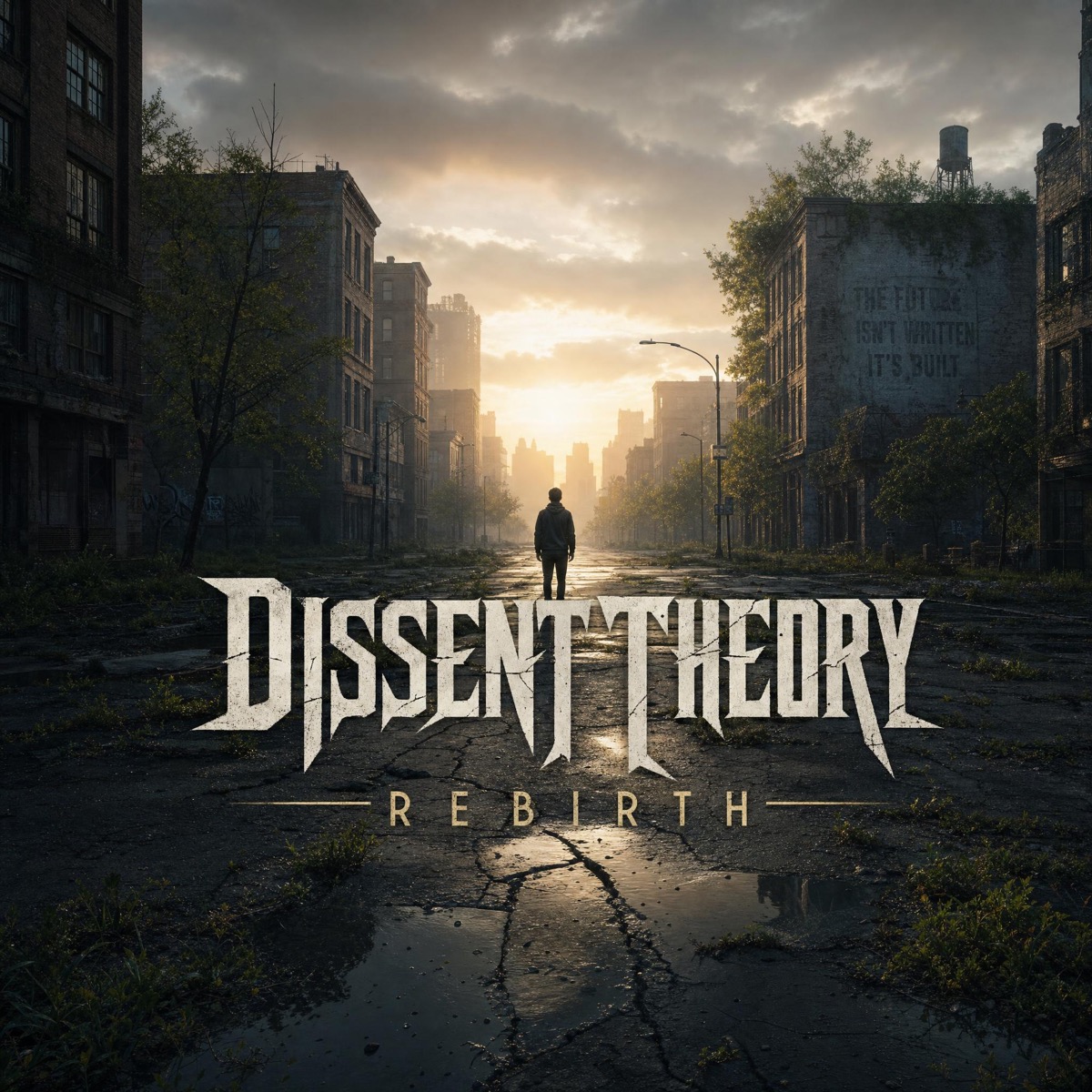
Chapter III
What will we build with the freedom we have?
Renewal begins with the scars still present. Human looks beyond the labels; Free gives freedom an everyday meaning. Becoming asks what people will do with the power to shape their world. Together brings distinct voices into a shared future, with the understanding that the work has only begun.
Explore the albumThe title track begins among the scars and reaches toward morning. Spacious piano and orchestration grow into a powerful declaration of renewal, as the narrator chooses mercy without forgetting what happened. It is a song about learning to stand again - and refusing to rebuild the same walls.
“Human” looks past the labels, arguments, and histories that can make us stop seeing one another. An intimate address grows into a full symphonic declaration of human worth. Its strength comes from a compassionate resolve: to recognize and defend the person who remains beneath everything they have endured.
“Free” explores the everyday possibilities of an independent life: speaking honestly, choosing love, changing direction, and allowing others the same freedom. Open arrangements and melodic instrumental passages give that release room to breathe. As “I” becomes “we,” personal agency grows into the possibility of walking together.
When an enemy no longer defines us, who will we choose to be? Reflective piano, measured vocals, and powerful choruses give “Becoming” room to ask what freedom demands of those who hold it. The song looks toward the future through the choices, questions, and responsibilities we accept today.
“Together” closes the trilogy with a vision of belonging in which every voice has a place. Gentle piano and atmosphere grow into warm orchestration, melodic guitar, and a shared declaration of hope. Its final promise is open-ended: what has been survived matters, and what can be built together is only beginning.
Awaken · Reckoning
“Violence isn’t resolution,
It’s the end of everything,”
Crossroads and Awaken frame the conflict with a choice that remains available: to step back, recognize the person in front of us, and protect the right to disagree.
Read AwakenIdeas that return
The isolation that opens the trilogy finds an answer in a belonging that makes room for every voice.
The fractures between people are answered by an insistence on seeing the person beyond the label.
Reclaiming conscience creates the possibility of putting freedom into daily practice.
Questioning the world develops into a willingness to question the person we ourselves are becoming.
The wounds remain part of renewal. Beginning again does not mean forgetting.
Beyond the albums
The music is the beginning. Eric Waller’s vision for Dissent Theory reaches toward a book, a graphic novel, and a film with the music as its soundtrack. These are ambitions for the story’s future, with the trilogy at their heart.
Notes from the projectStay connected
Find Dissent Theory on YouTube, Instagram, and TikTok for music, videos, and what comes next.
Get in touch